

Tree life
Surviving day-to-day as a tree can be tricky - here's how they do it.
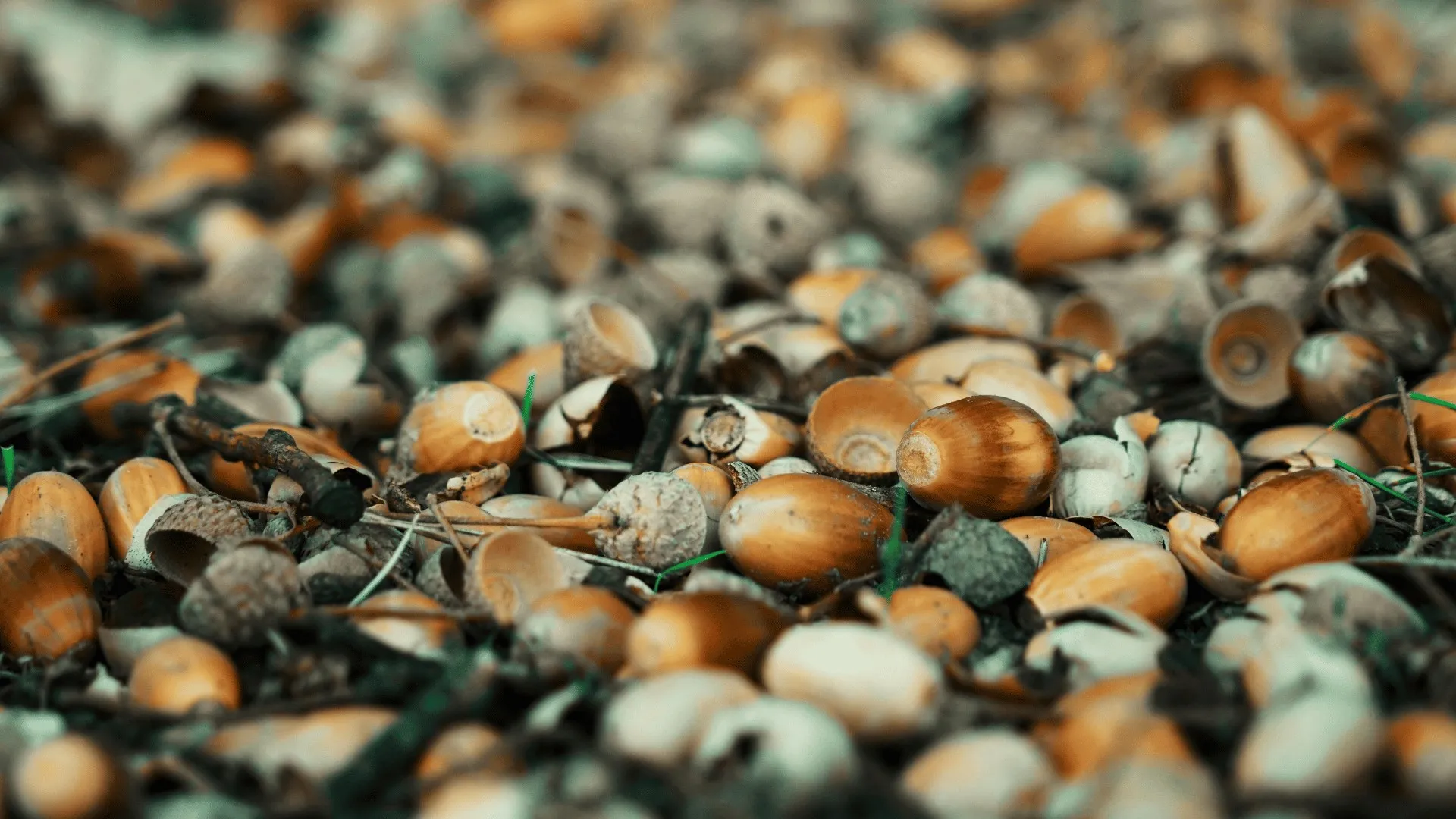
Treeproduction
Trees use a variety of reproductive strategies, from annual flowering to periodic mast years, to maximise pollination success, spread seeds effectively and improve the survival of future generations.
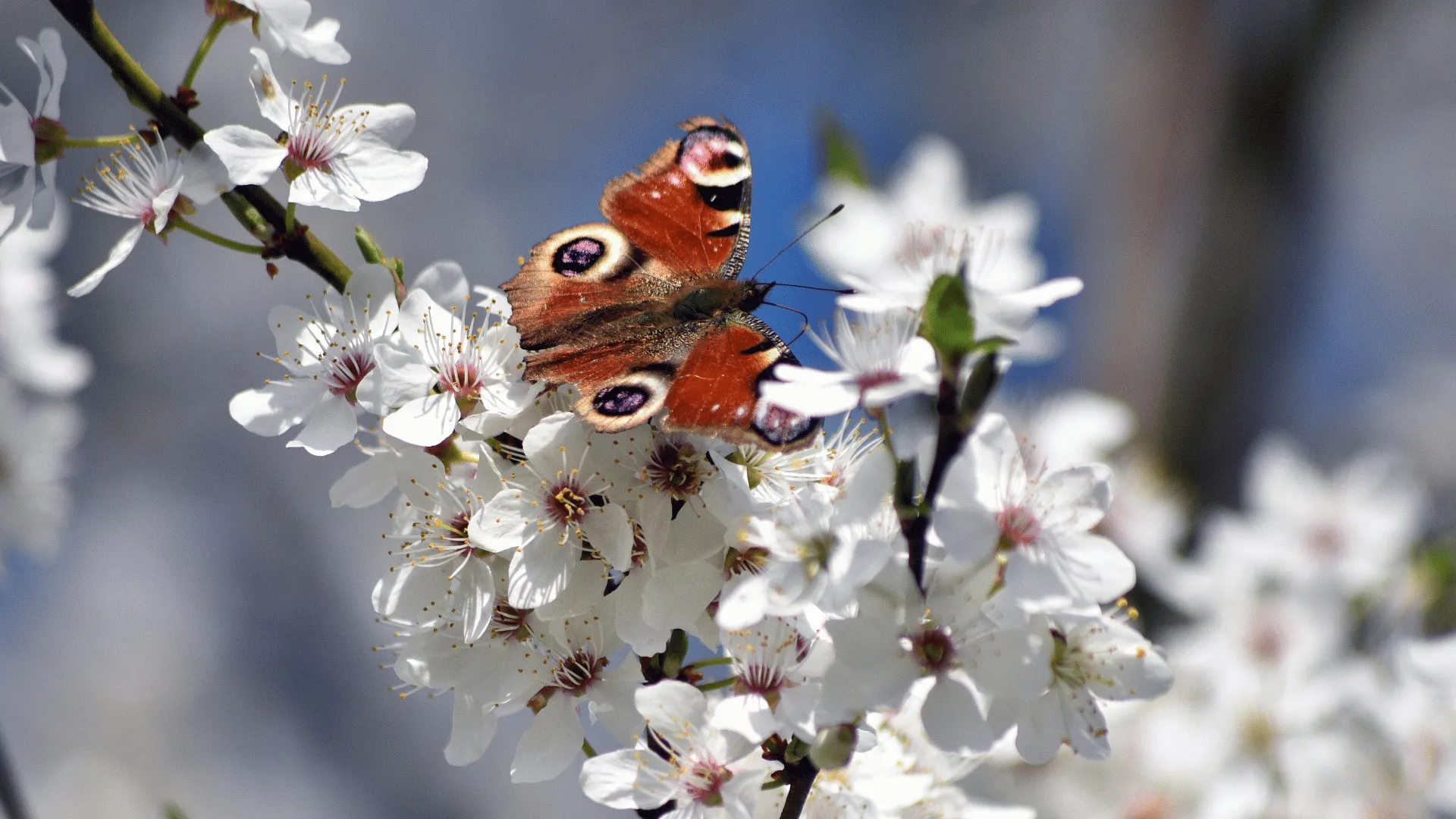
How trees communicate
Trees use creative methods like scent, visuals and electricity to communicate with each other as well as to attract pollinators and repel threats.
.webp)
Benefits of trees
Trees are essential to both people and wildlife, providing habitats for countless species, storing carbon, reducing flooding and pollution, supporting food production, and improving physical and mental wellbeing.
.webp)
Pests and diseases
Trees face a constant battle against pests, diseases and environmental stresses, relying on a delicate balance between growth and defence to stay healthy and survive over the long term
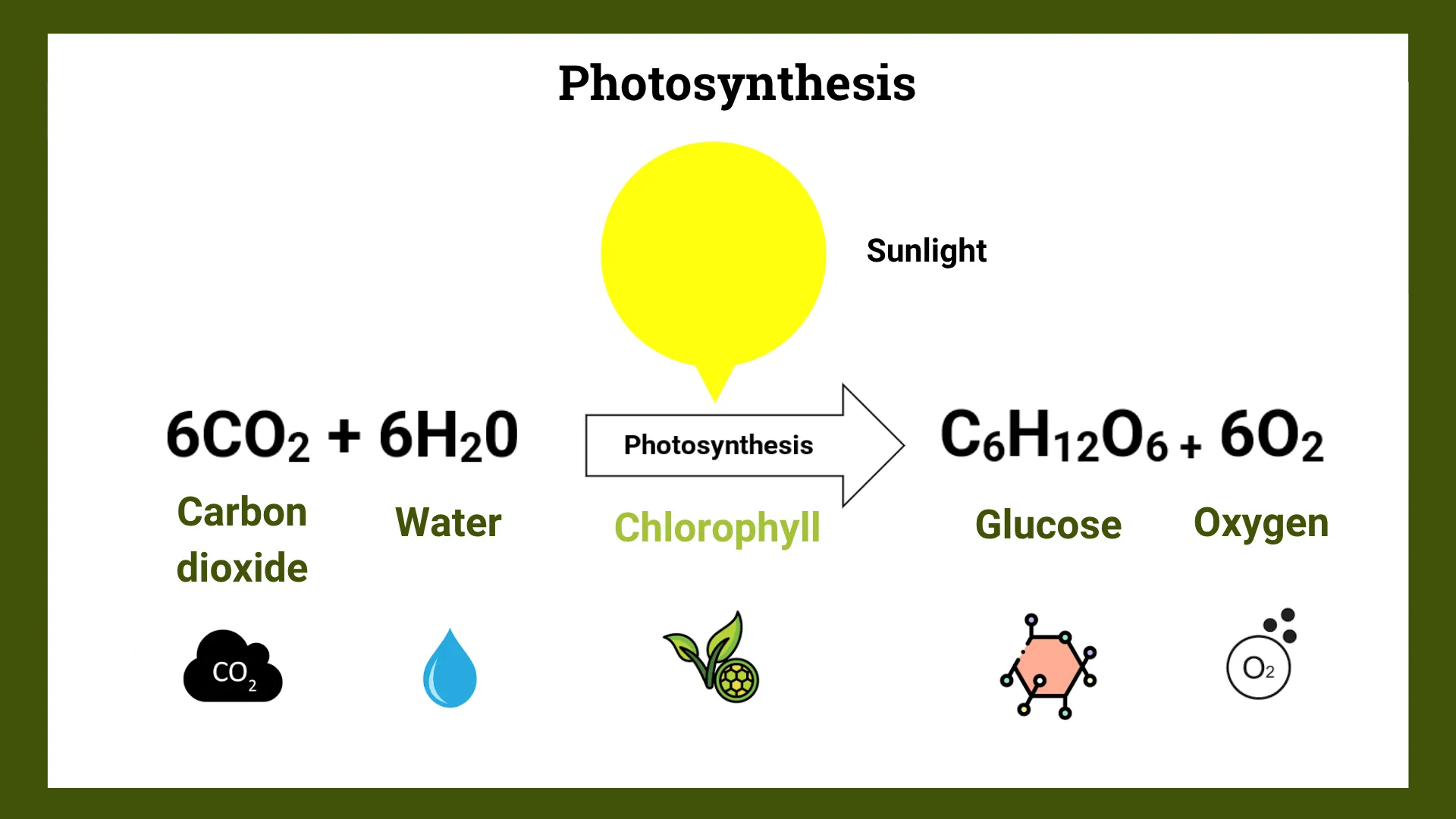
Trees and climate change
Trees play a vital role in fighting climate change by capturing and storing carbon for centuries, with older, healthy woodlands acting as powerful long-term carbon sinks that support both biodiversity and ecosystem resilience.
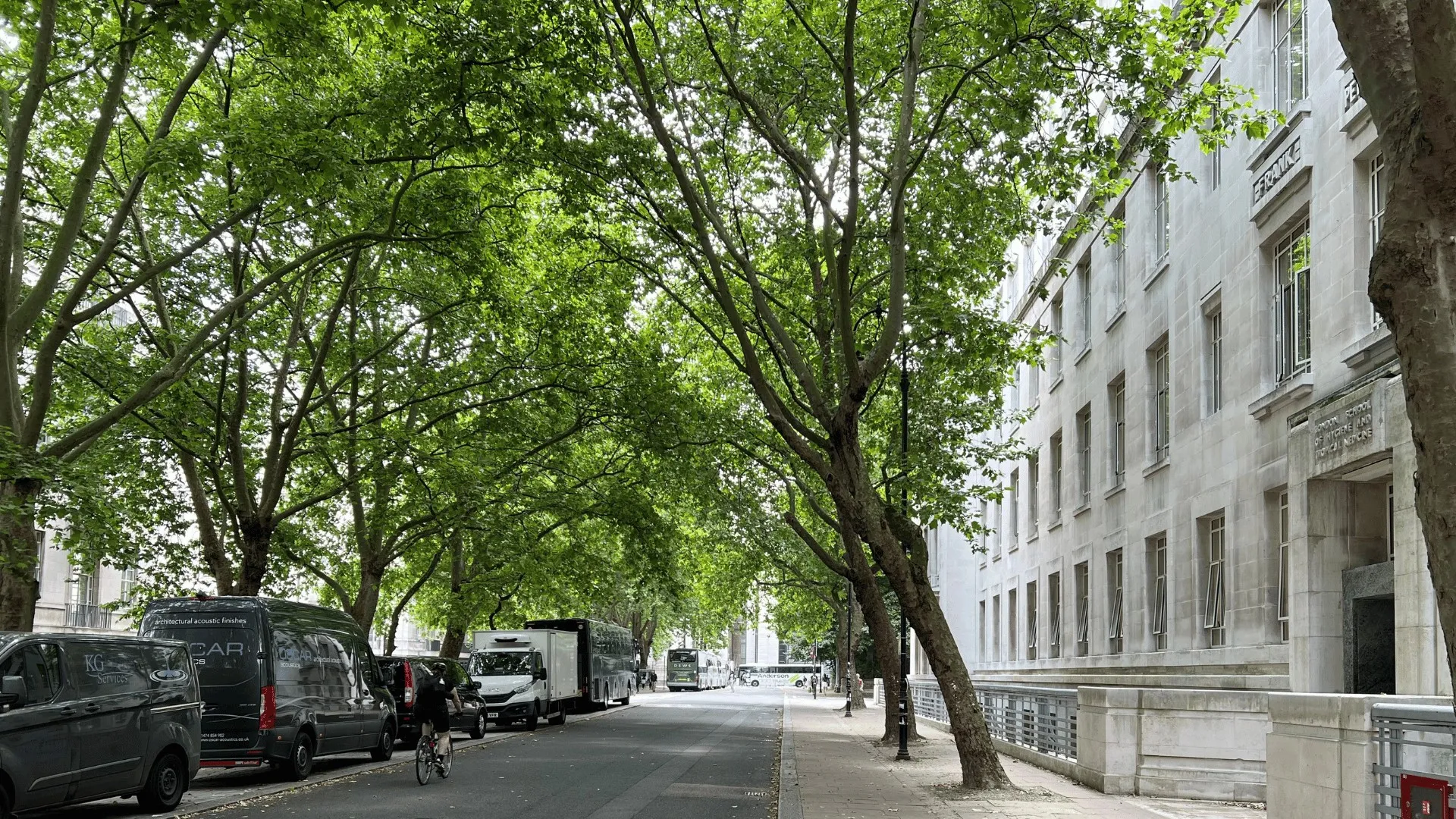
Urban tree life
Urban trees face significant challenges from restricted rooting space, poor soil conditions, pruning, pollution and heat stress, making survival more difficult than in natural forests and often shortening their lifespan.
.webp)
Trees for life (biodiversity)
Trees are at the heart of thriving woodland ecosystems, providing food, shelter and habitat for countless species while supporting the rich biodiversity that keeps forests healthy and resilient.
.webp)
Rules of growth
Trees naturally grow in ways that maximise stability and resilience, developing balanced trunks, crowns and root systems that help them withstand the environmental forces they face throughout their lives.
.webp)
Hibernation
Trees have evolved different strategies to survive winter, with deciduous species shedding their leaves to conserve resources and conifers retaining specially adapted needles that withstand cold and drought conditions.
.webp)
Tree plumbing
Trees rely on a remarkable water transport system that moves moisture from roots to leaves, enabling growth, cooling and survival even in the tallest trees on Earth.
Fight for light
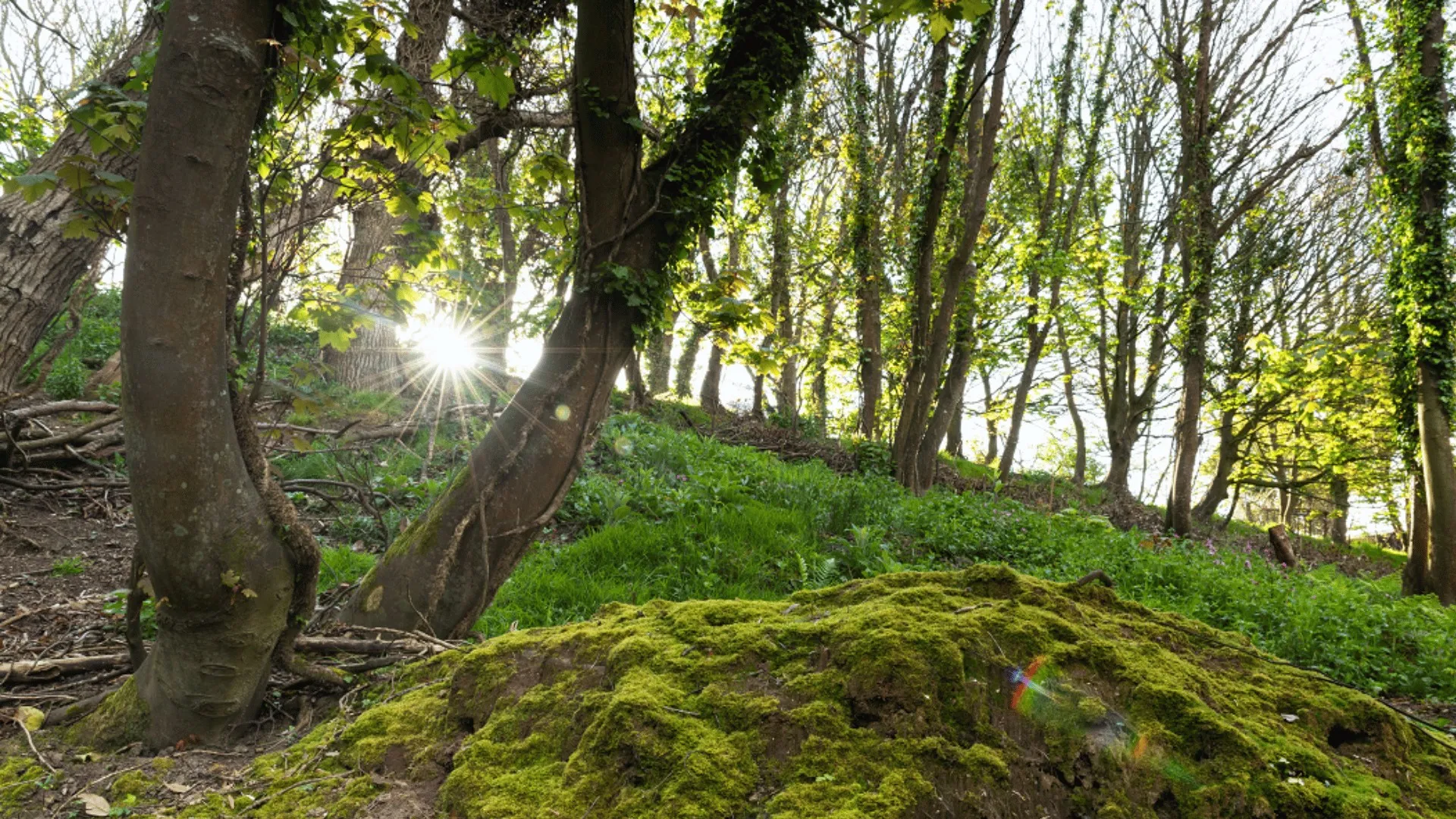
Trees and forest plants constantly compete for sunlight, with species adapting different strategies to capture light, survive in shaded environments and thrive within complex woodland ecosystems.
Tree friendships
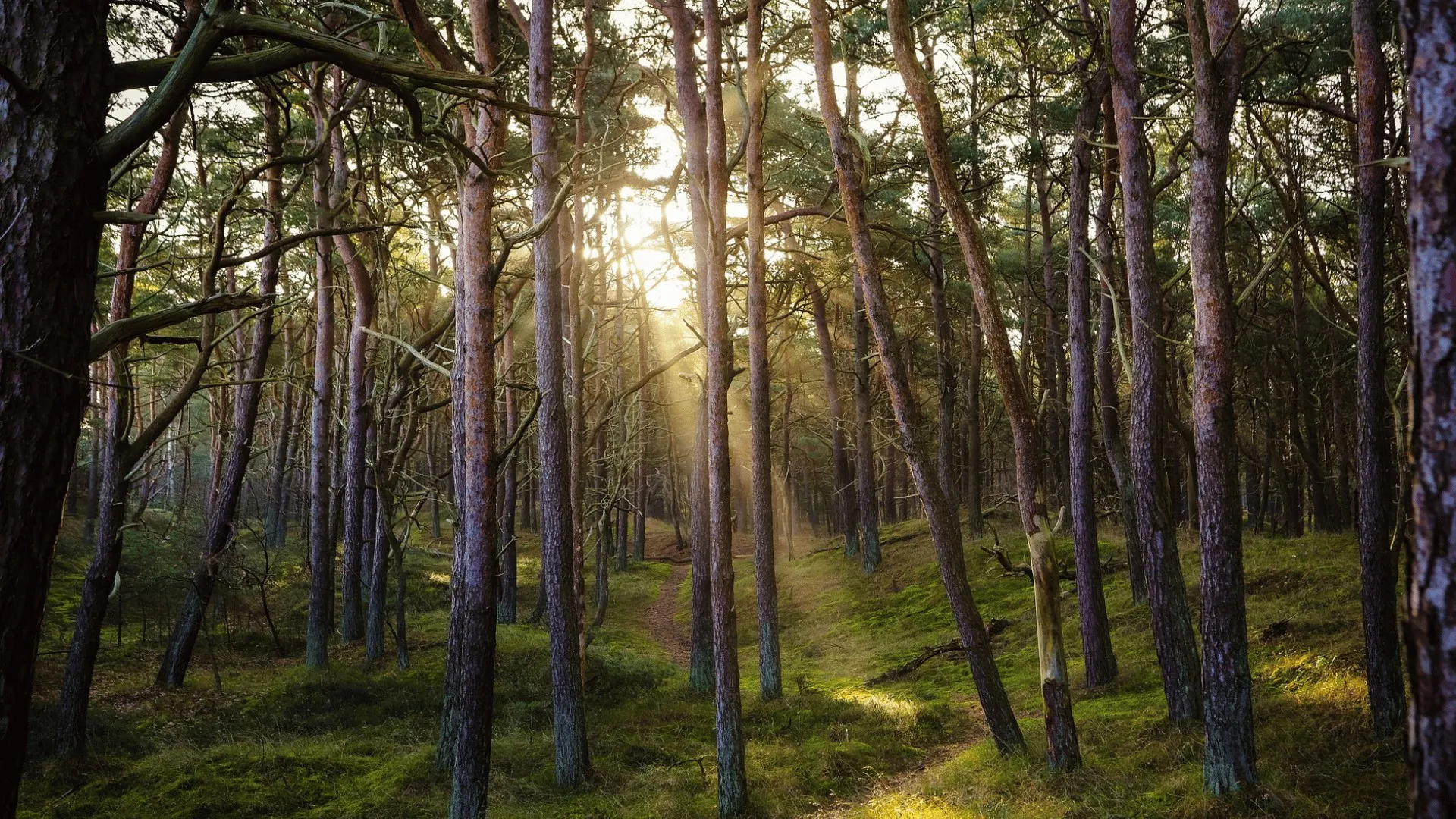
Trees thrive as part of interconnected woodland communities, sharing resources through root and fungal networks to support one another, strengthen ecosystem resilience and improve their collective chances of survival.
Make a difference
Every donation plants roots for Jersey's future. Support our work today.
What we've achieved together
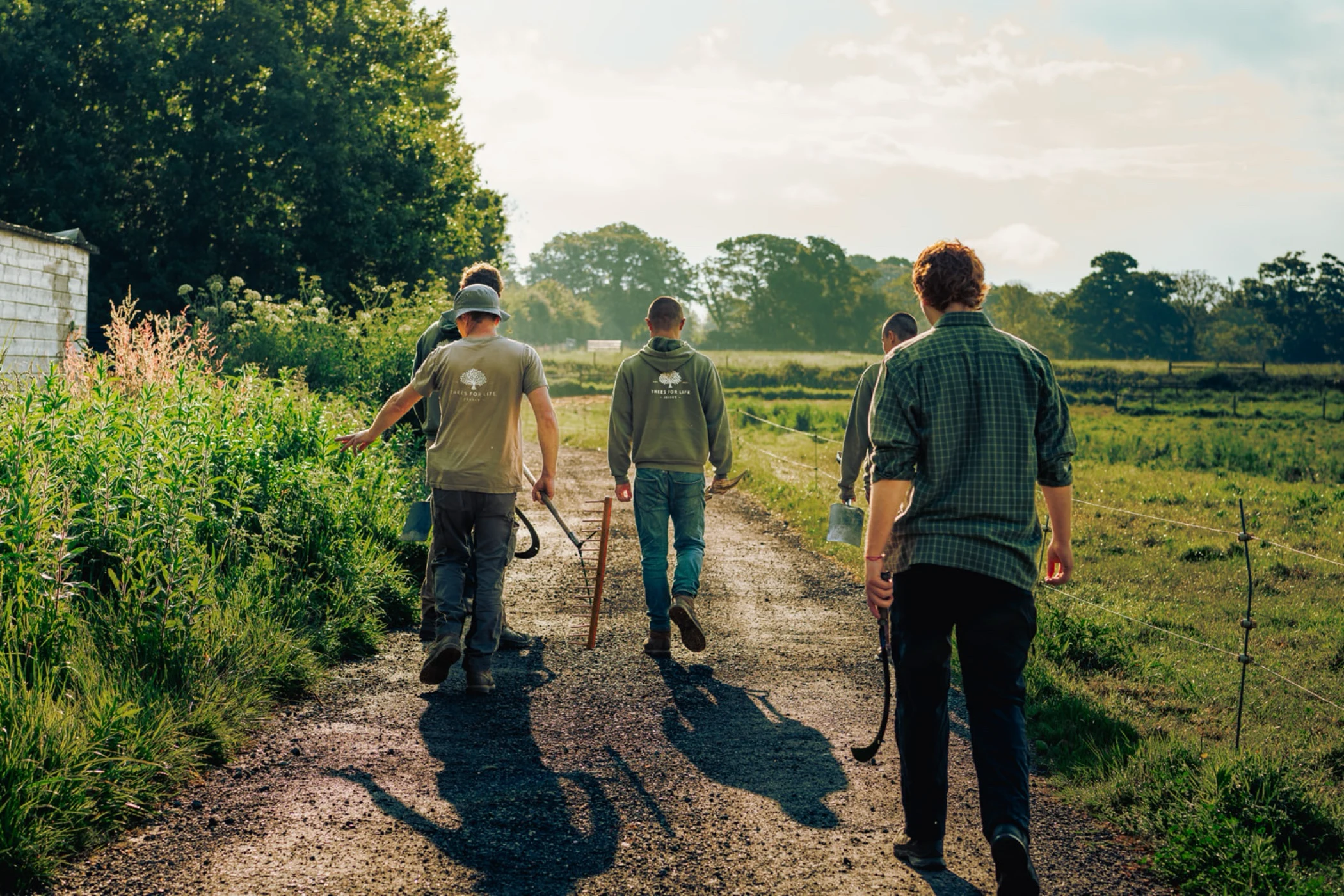
Since our founding, Jersey Trees for Life has grown from a vision into a thriving community. Here's what we've built.