Trees and climate change
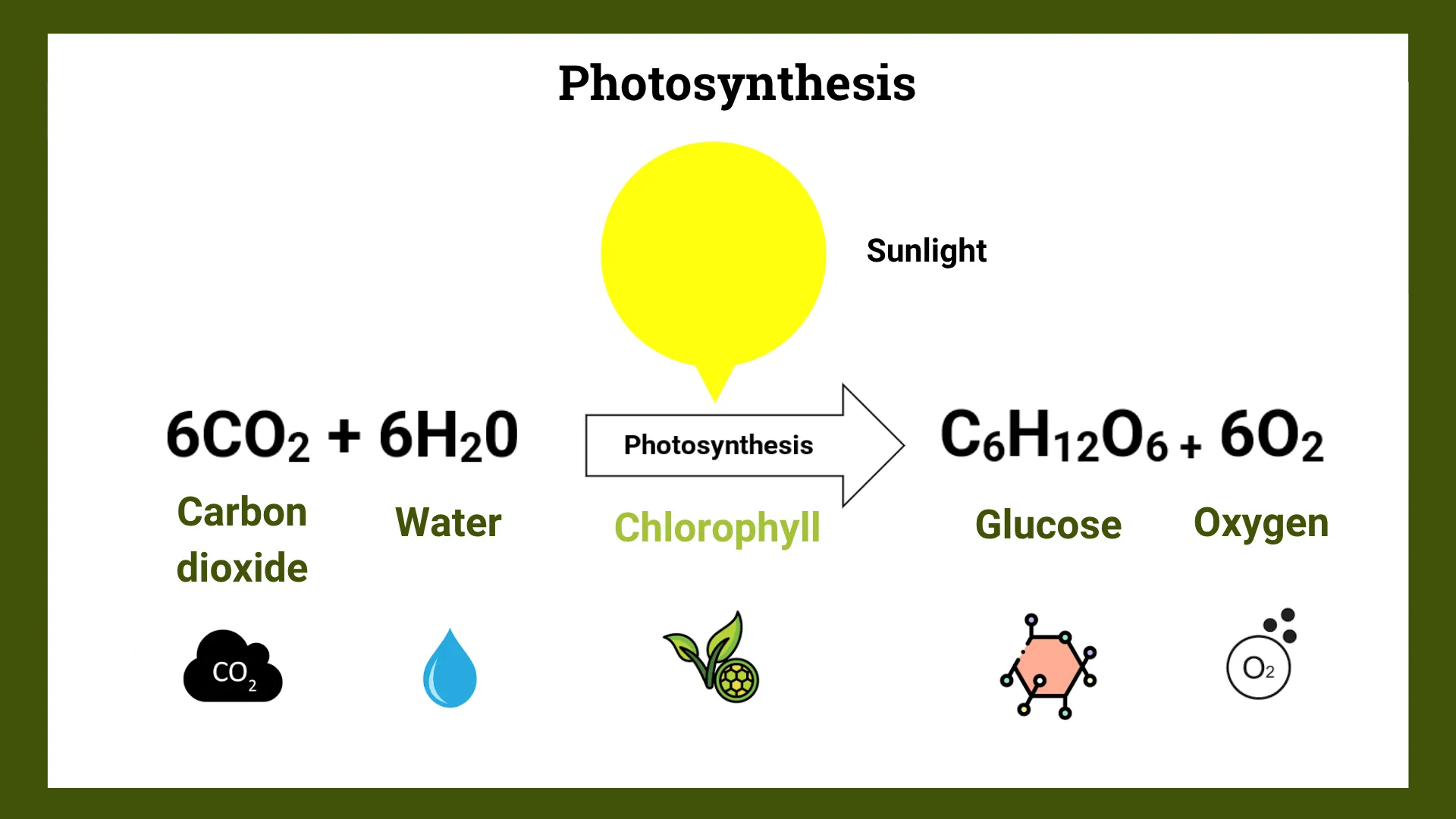
Trees use photosynthesis to absorb carbon which they can store for centuries in their trunk, root and branch systems, effectively making forests huge carbon dioxide filters. One large tree can store up to 20 tonnes of carbon.
When a tree dies, most carbon dioxide remains permanently locked in the ecosystem with only a small amount released into the atmosphere.
Wood decomposes and sinks while rainfall washes organic matter deeper into the soil, which becomes colder with depth. Eventually it becomes humus (not hummus!), slowly increasing in concentration with the potential to even become coal.
Minimal coal is formed today due to constant logging, which enables sunlight to warm the soil, causing residing organisms to consume humus and release carbon dioxide.
Although more carbon dioxide has a fertilising effect, it ultimately means a shorter lifespan. Young trees grow quickly relative to size but old trees can create around 50% more biomass.
UK woodlands are estimated to store 213 million tonnes of carbon in living trees, with ancient (and very old) woodlands accounting for 36% of this total despite comprising only 25% of the total area (source: Woodland Trust). This is why we need to let our woodlands grow old – as well as planting new ones, of course.
A young woodland of mixed native species can store over 400 tonnes per hectare (source: Woodland Trust). Native species, ideally mixed, are traditionally most effective at fighting climate change and avoiding pests and diseases. However, hotter, drier summers and milder, wetter winters will cause some species to struggle, altering long-term planting profiles. For example, European alder suits wetter conditions while gingko suits hotter drier summers.
Main Image: TBC
Make a difference
Every donation plants roots for Jersey's future. Support our work today.