

Tree maintenance: pruning
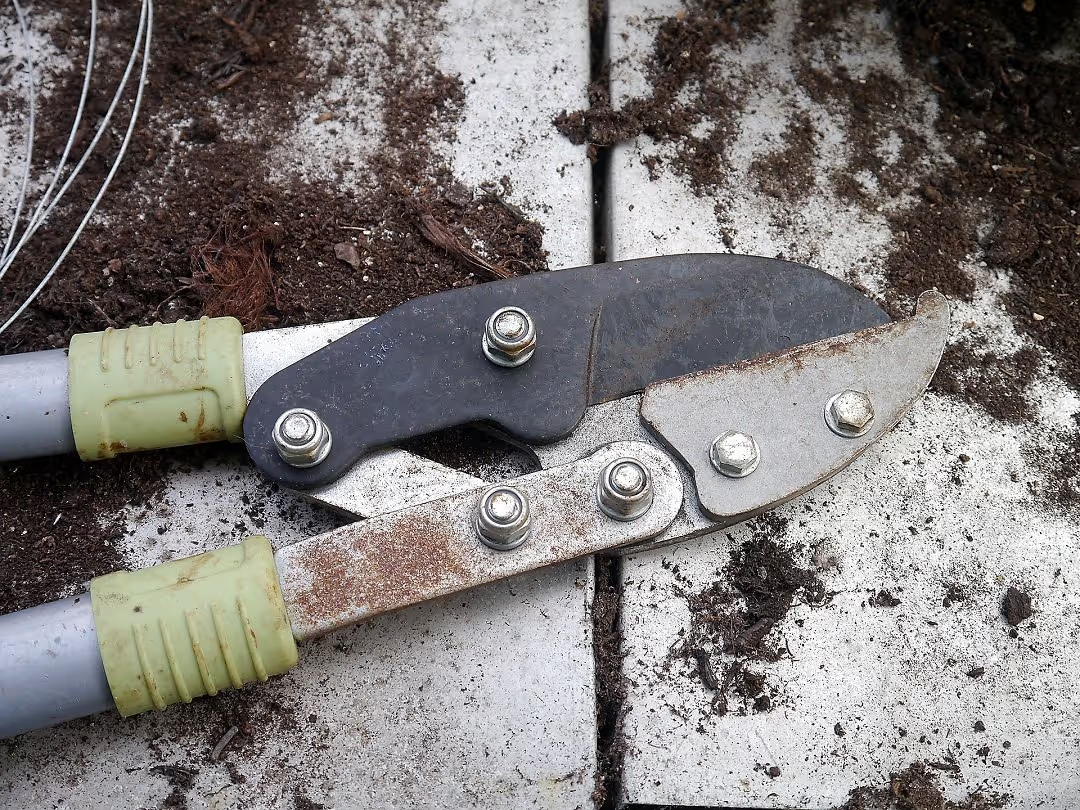
The pruning question
When’s the best time to prune a tree?
Generally speaking, trees should be pruned in the winter when they are dormant, although there are exceptions to this rule.
Fruit trees – often of particular interest when it comes to pruning – vary according to species and also to your aim. For example, if you’re looking to spur maximum growth, it’s best to prune in winter. Another advantage to winter pruning is that it’s far easier to assess your work in a leafless tree.
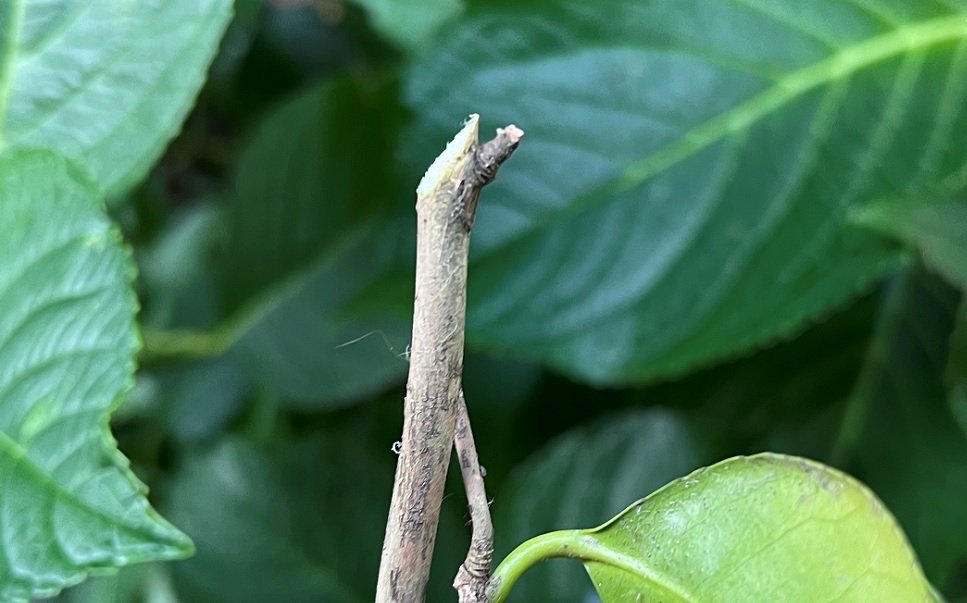
If your tree is already large enough, however, it may be better to opt for spring or summer. In this instance, you should only prune after the fruit have started to appear, ensuring of course that you avoid the fruity branches.
Summer pruning enables sunlight to reach deeper into a tree’s foliage and increases the likelihood of producing larger, better fruit.
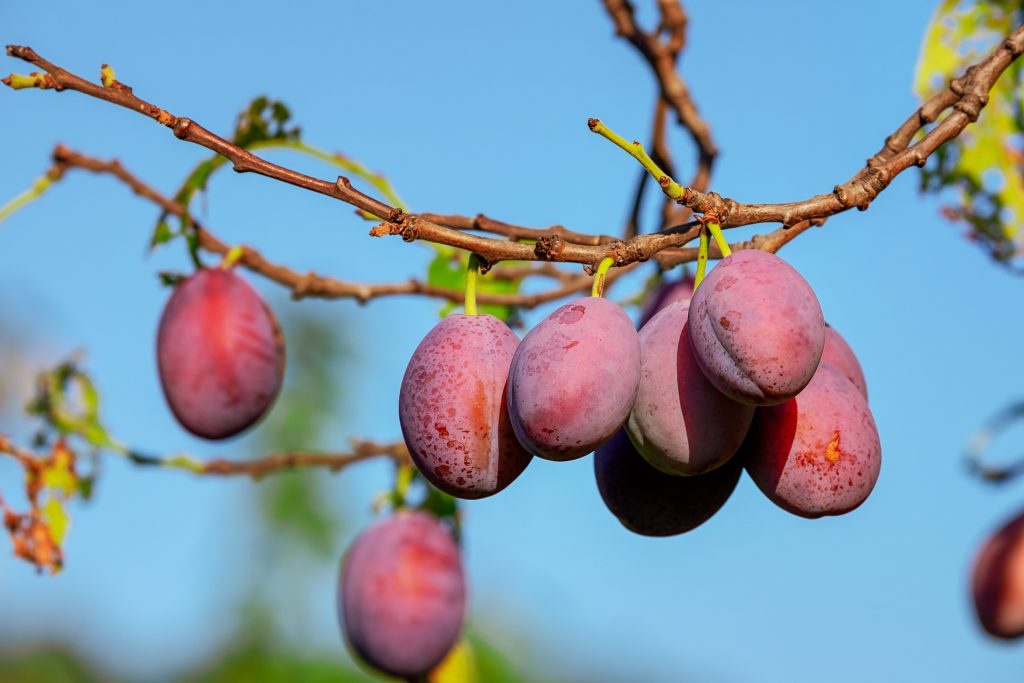
Cherry and plum trees are always best pruned between mid-spring and mid-summer due to their winter vulnerability to silver leaf fungus and its windborne spores. Other notable outliers include walnut and magnolia (mid-summer to early autumn) and birch (early winter) – all being prone to heavy bleeding if pruned at the wrong time.
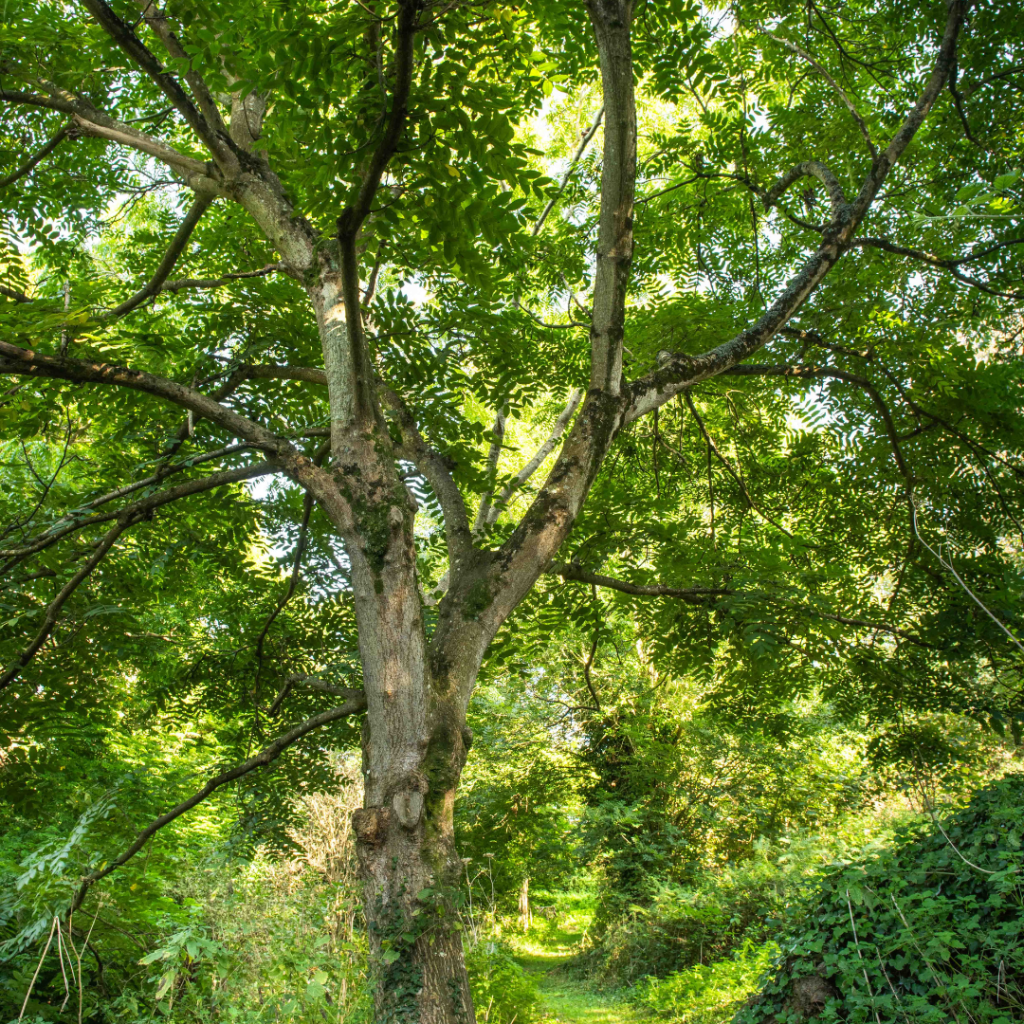
It’s not only fruit trees that can be pruned in summer; other hardwoods can too, such as oak, maple and walnut. The benefit here is the lack of sap, which is plentiful in winter and early spring. Likewise you can prune an evergreen in summer if need be – although this should only ever be required as a result of damage.
Other reasons for pruning in summer include removal of storm-damaged, dead or low-hanging branches, typically for safety reasons. Also, in the unlikely event of needing to transplant a tree, trimming about a third from its top will increase its chances of survival.
Pruning is autumn is not recommended (exceptions apart) because it confuses the tree, triggering new growth as it prepares itself for winter dormancy.
As with all trees, fruit trees differ by species and have specific requirements and preferences. One means of differentiation is fruit type – stone fruits such as apricots, plums and peaches are better suited to summer pruning than pome fruits like apples and pears, which should be pruned in winter but can also be carefully pruned during summer if suitably large.
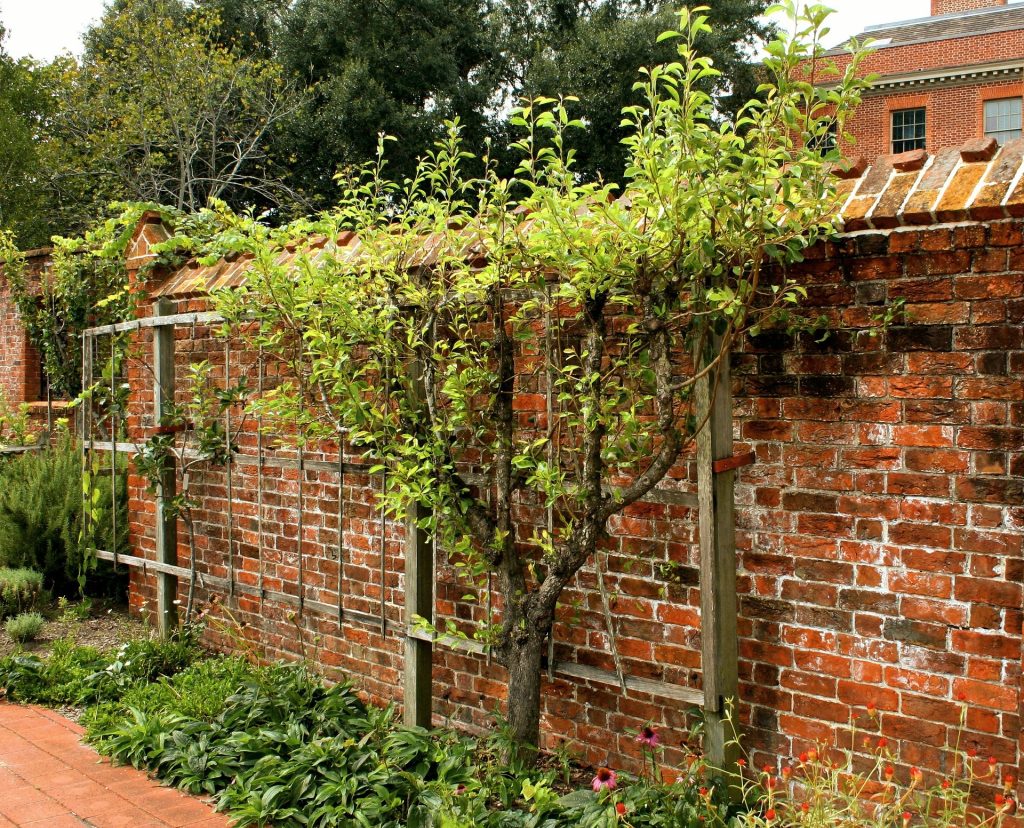
The other main justification for pruning pome fruit trees in summer is when they are ‘trained’, i.e. in a fan or espalier, as is common in many gardens.
Rules of pruning
- Prune when dormant (exceptions apart)
- Don’t cut branches flush to their stem
- Prune weakest branches first
- Ensure you cut at a 45 degree angle to the branch
- Prune any low shoots (i.e. beneath canopy)
- Remove large branches in sections
- Aim for an open, goblet-shaped crown when pruning fruit trees
- Remove about a third of the branches
- Horizontal branches bear most fruit
- Small trees require minimal pruning
You can find further guidance on the websites of the Royal Horticultural Society (RHS) and Woodland Trust.
Make a difference
Every donation plants roots for Jersey's future. Support our work today.
What we've achieved together
Since our founding, Jersey Trees for Life has grown from a vision into a thriving community. Here's what we've built.