Tree production
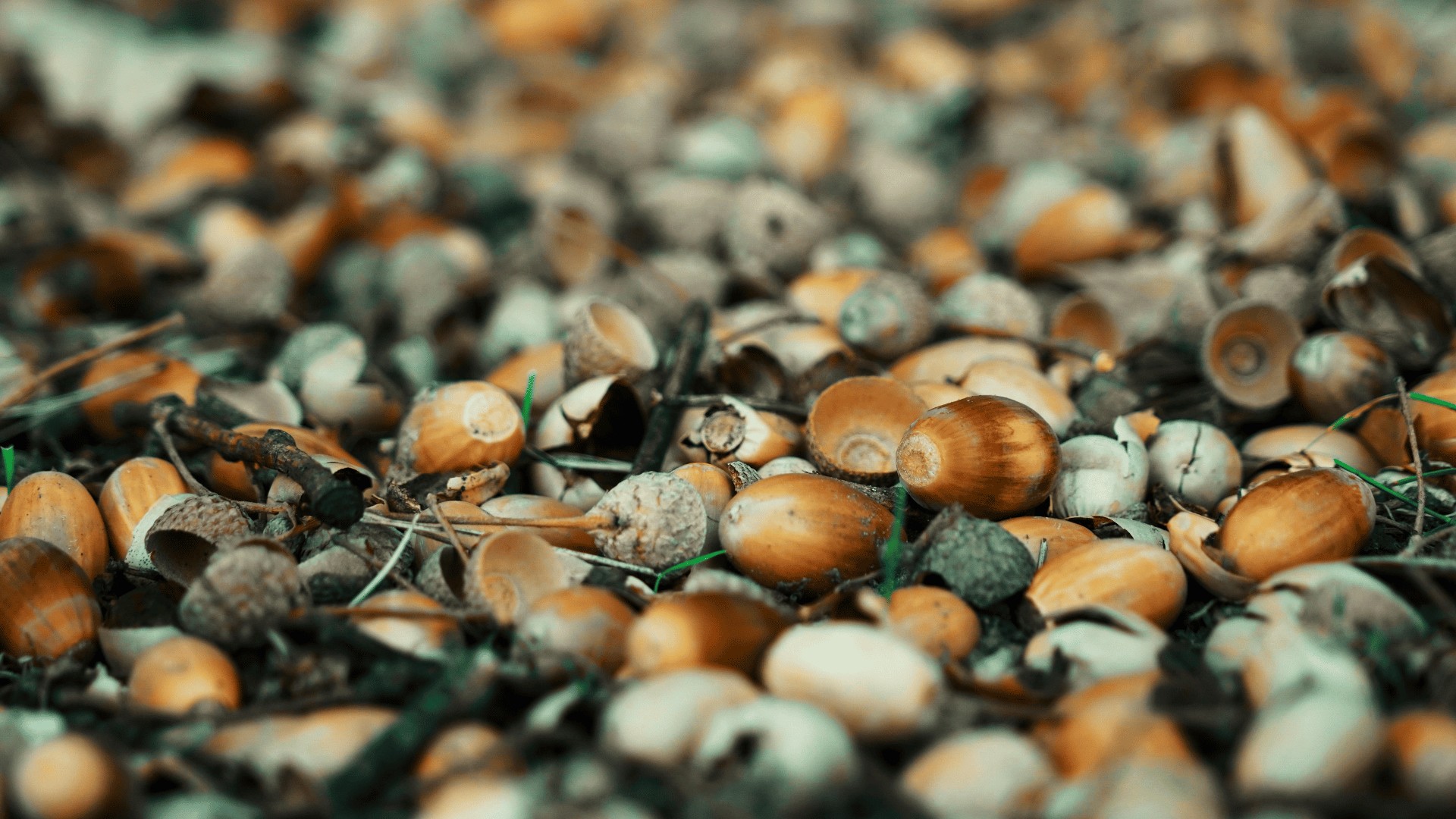
Trees plan reproduction at least a year in advance.
Most conifers bloom annually, producing huge amounts of dusty pollen. They rely on wind for pollination as their habitat tends to be too cool for bees.
Conversely, many deciduous trees mix up their blooming patterns as the variety confuses the herbivores that eat their energy-rich nuts.
A ‘mast year’ is when any tree species produces a bumper crop of fruit and nuts. It is followed by contrasting years of minimal output. Oak and beech are prime examples.
In a mast year there’s too much food for the wildlife, enabling leftovers to become new trees. Herbivore and insect numbers often crash in following years.
But what about inbreeding? Trees mitigate this through:
- Timing variation (male/female blooms)
- Cross-pollination (vs self-pollination)
- Genetic screening (of insect-borne pollen on stigma)
Species that blossom annually can manage energy levels effectively whereas others use all their energy in a mast year, leaving them vulnerable.
Image: Tom-van-dyck (Pexels)
Make a difference
Every donation plants roots for Jersey's future. Support our work today.